

XU Longsen
徐龍森works in Beijing (b. 1956, Shanghai)
Xu Longsen was born in Shanghai in 1956, and graduated from the Shanghai Arts and Crafts College in 1976. He currently lives and works in Beijing, China and Princeton, New Jersey, USA. Xu’s works are in major public and private collections internationally, including those of the Art Institute of Chicago, Nelson-Atkins Museum of Art, Oxford University Art Museum, Brunei Gallery, SOAS, University of London, the Thomas Pritzker Collection and the Department of Culture and Tourism, Abu Dhabi.
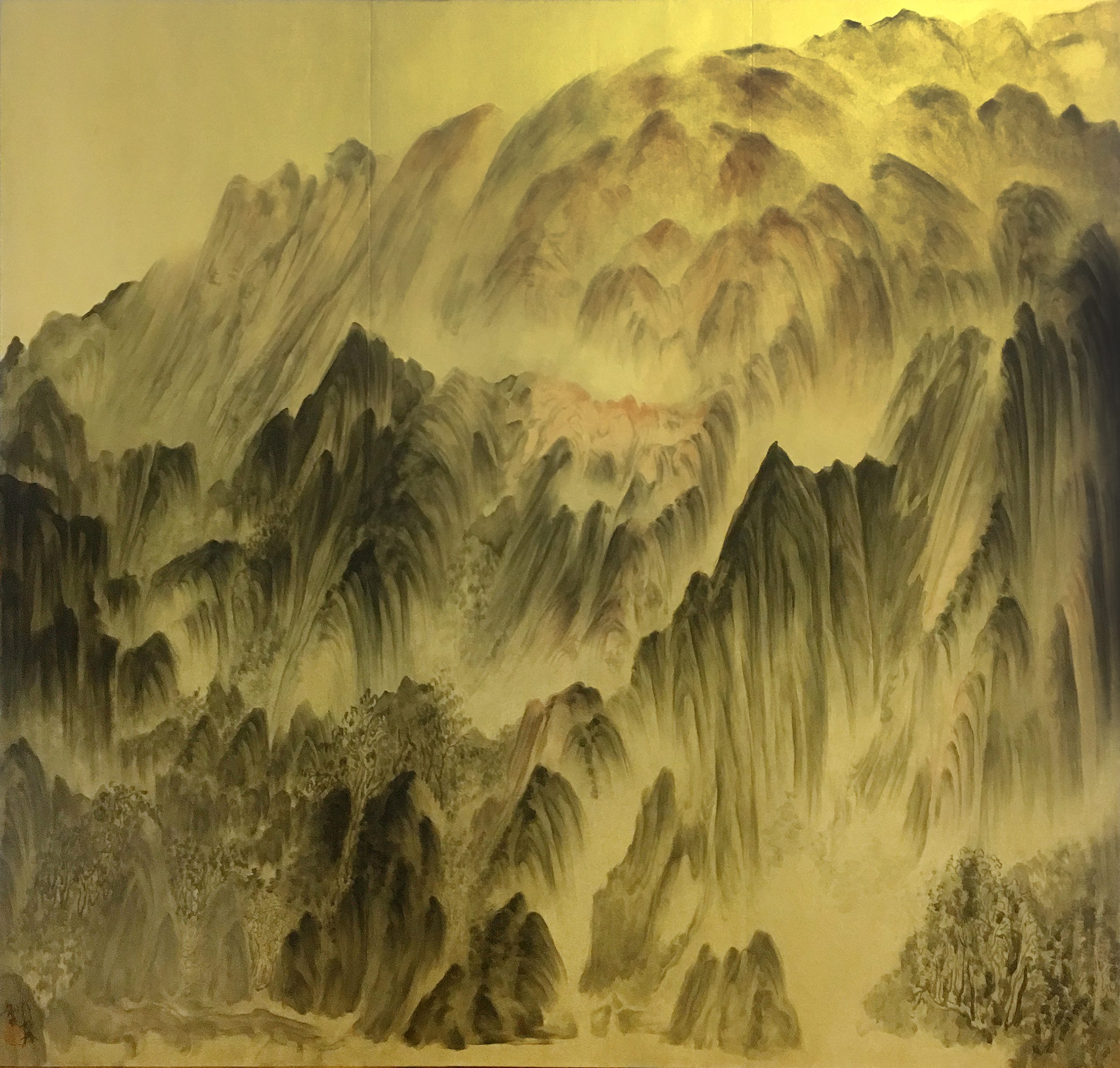
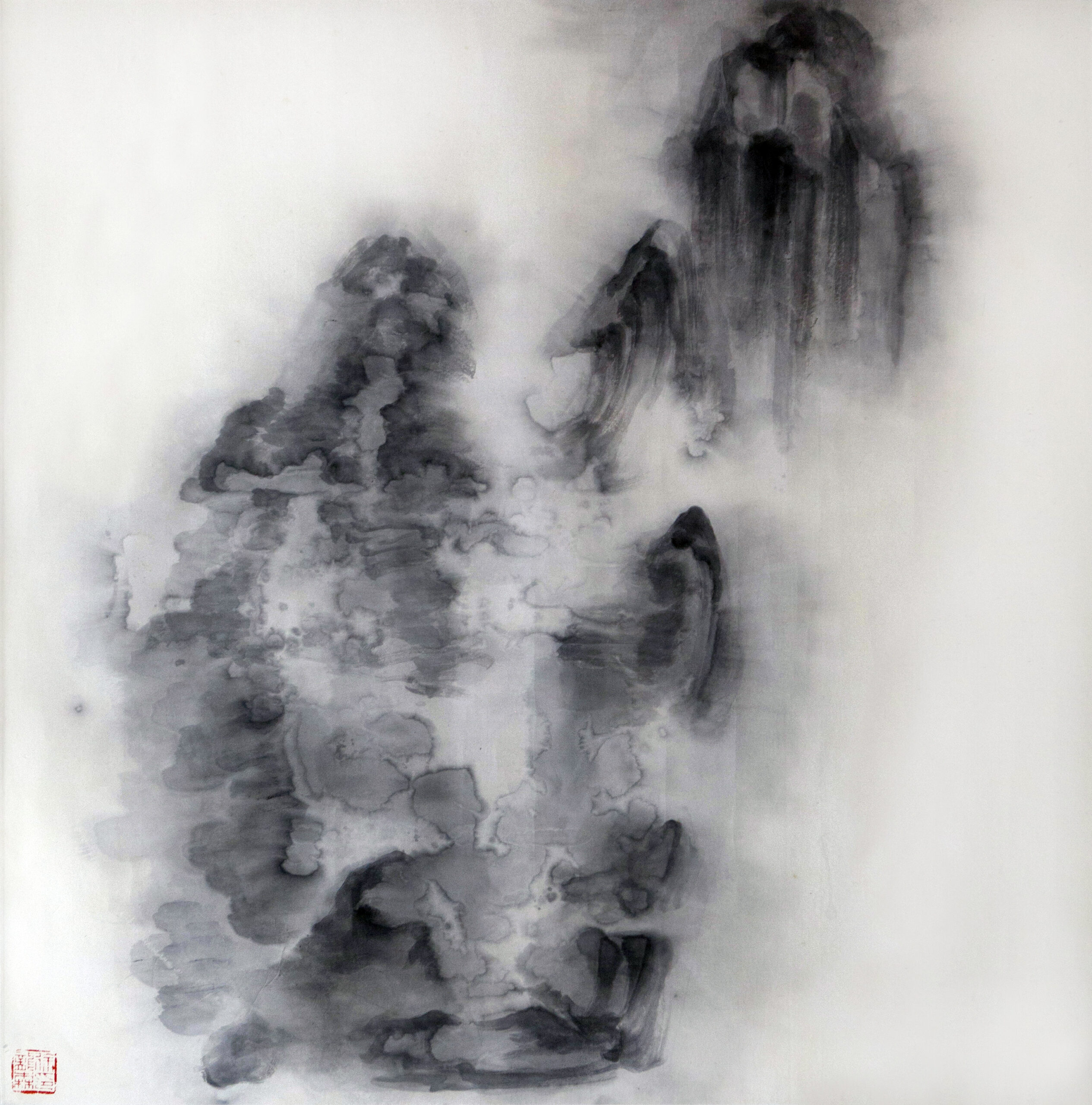
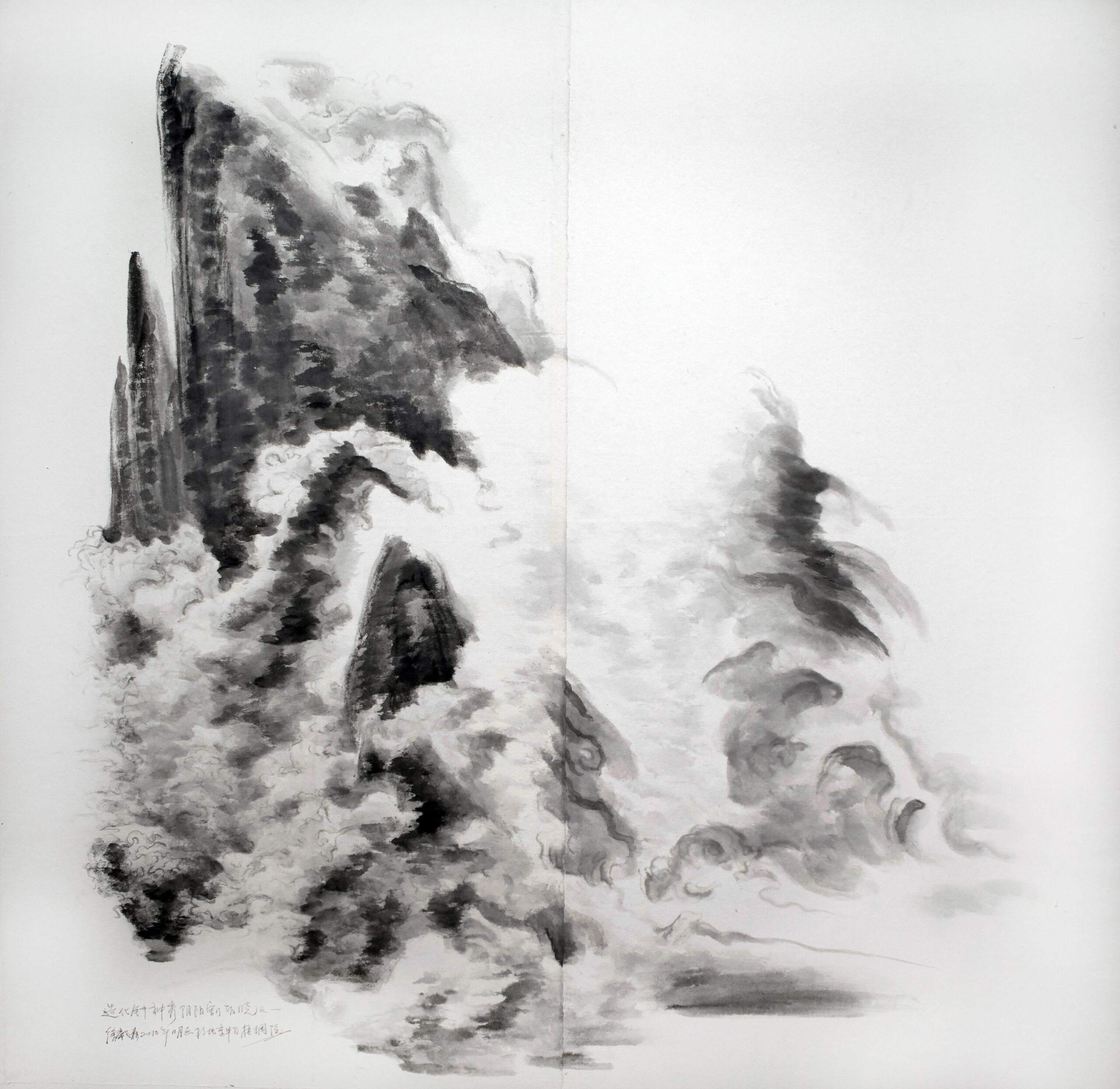
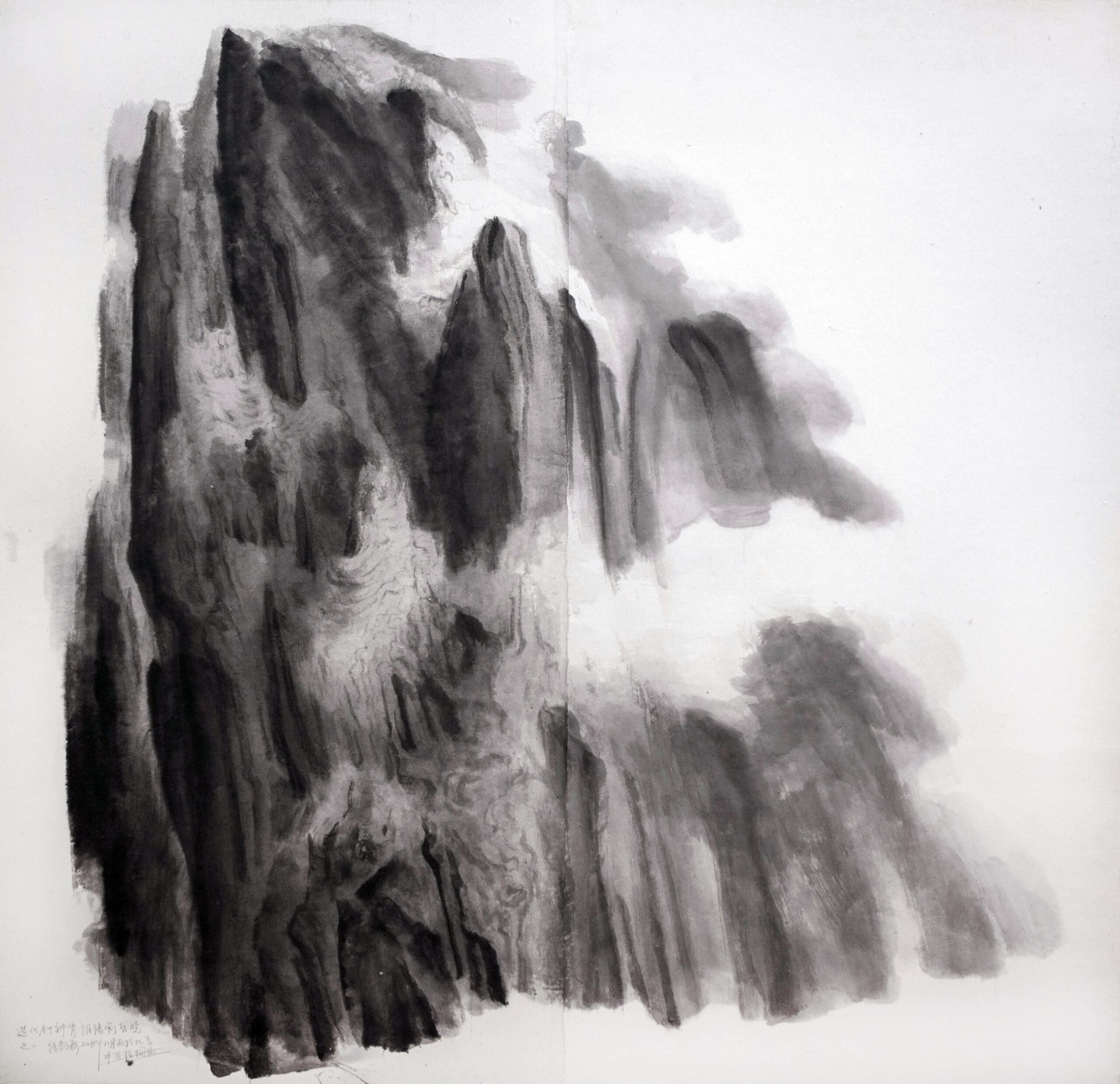
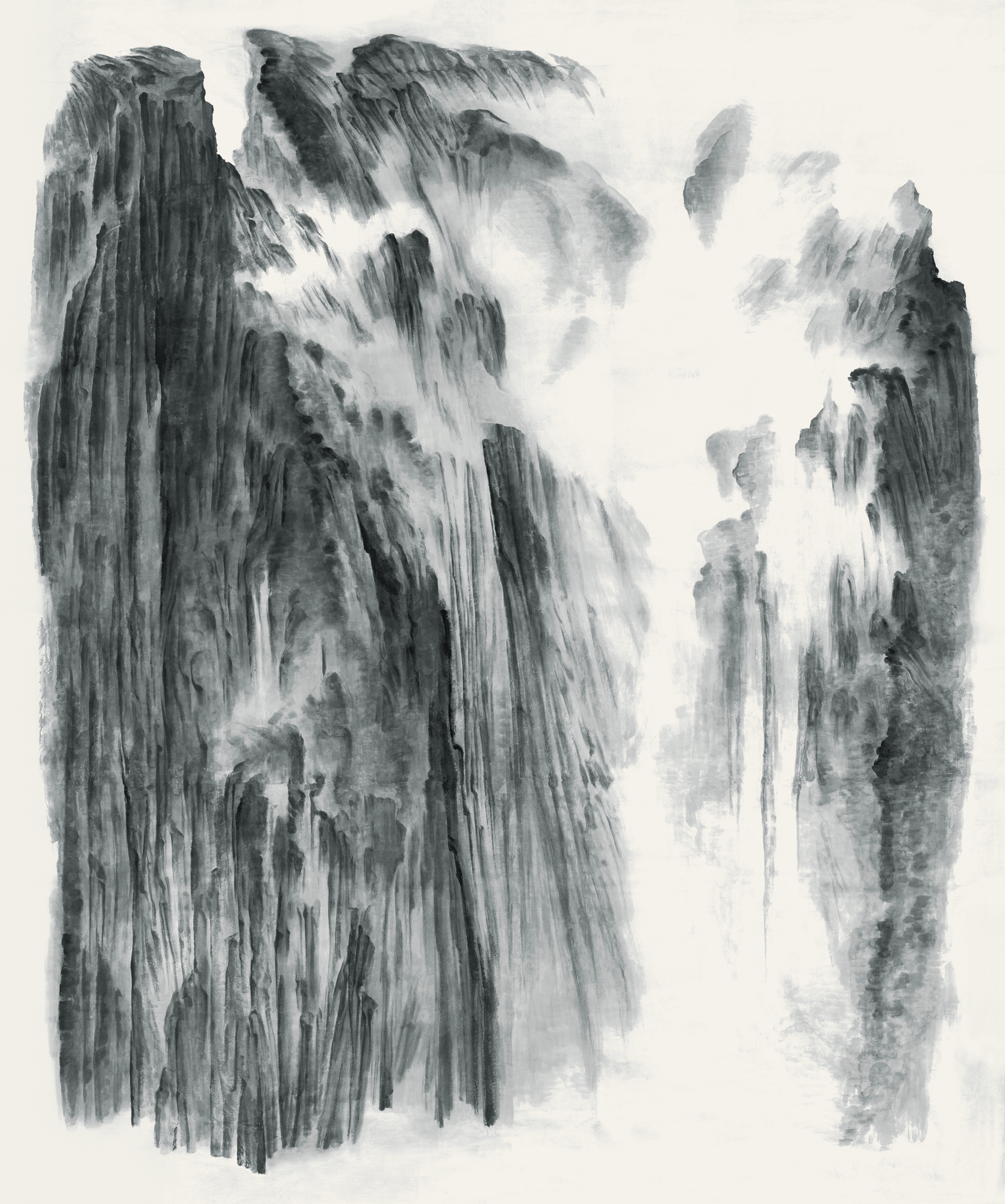
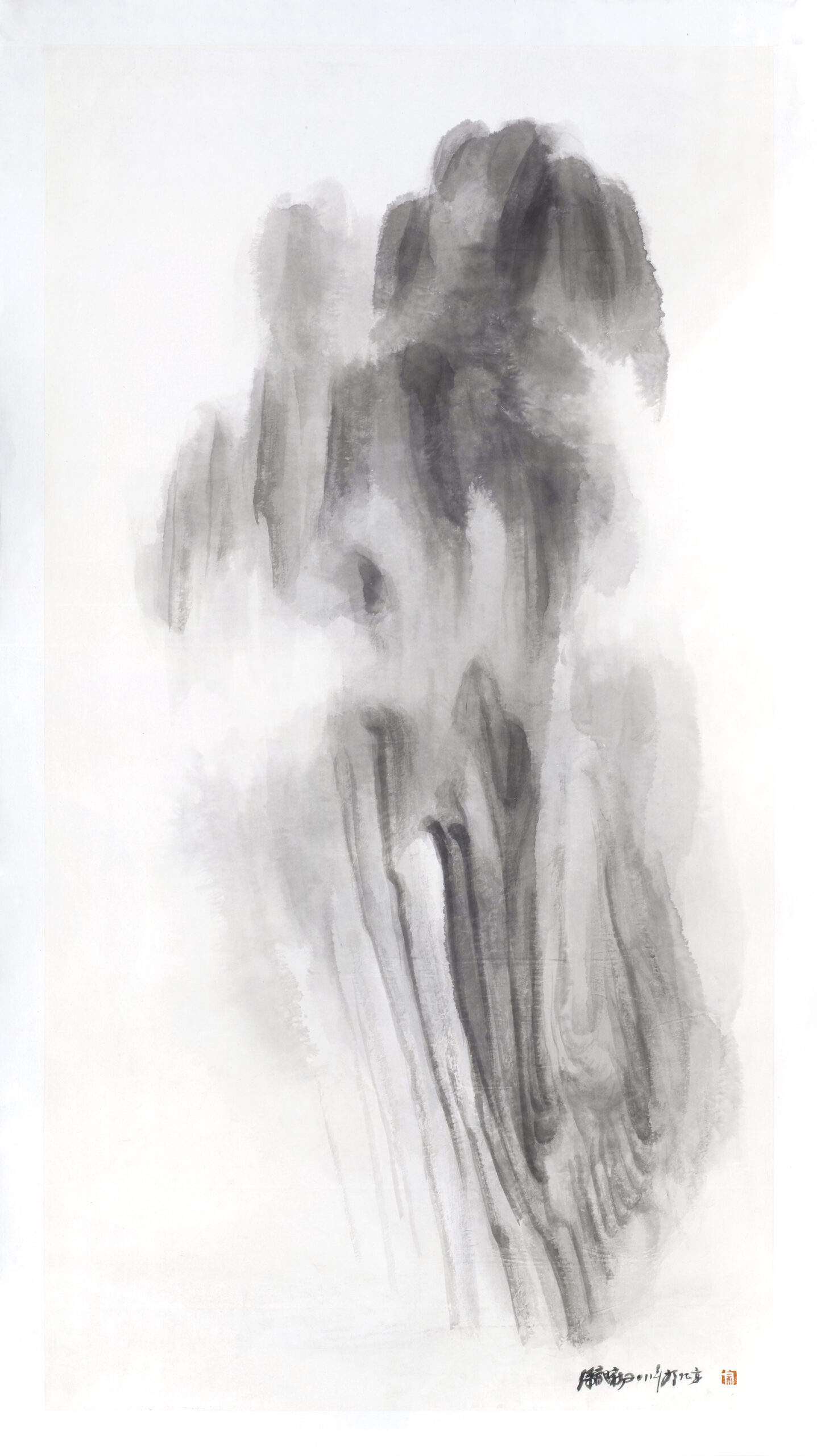
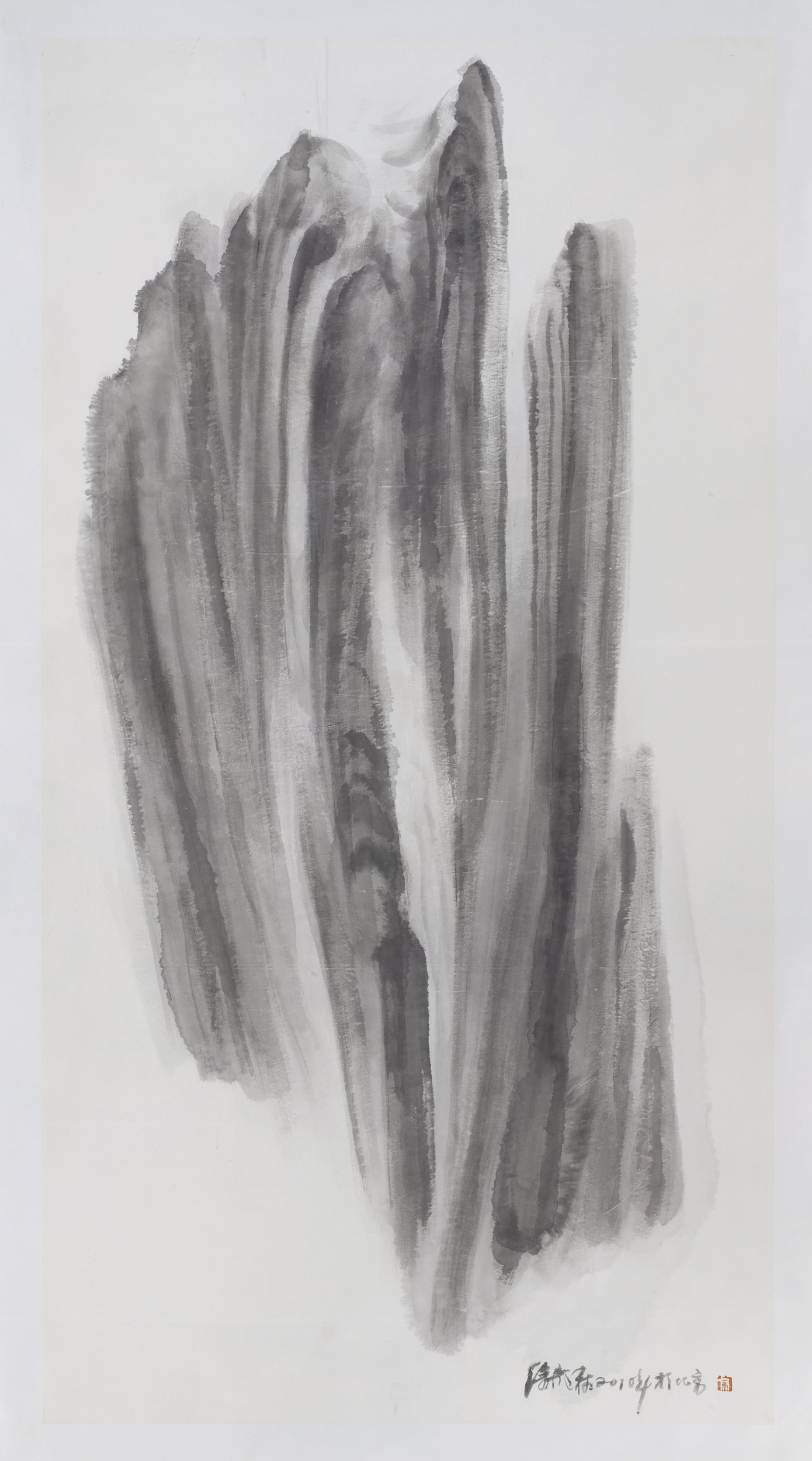
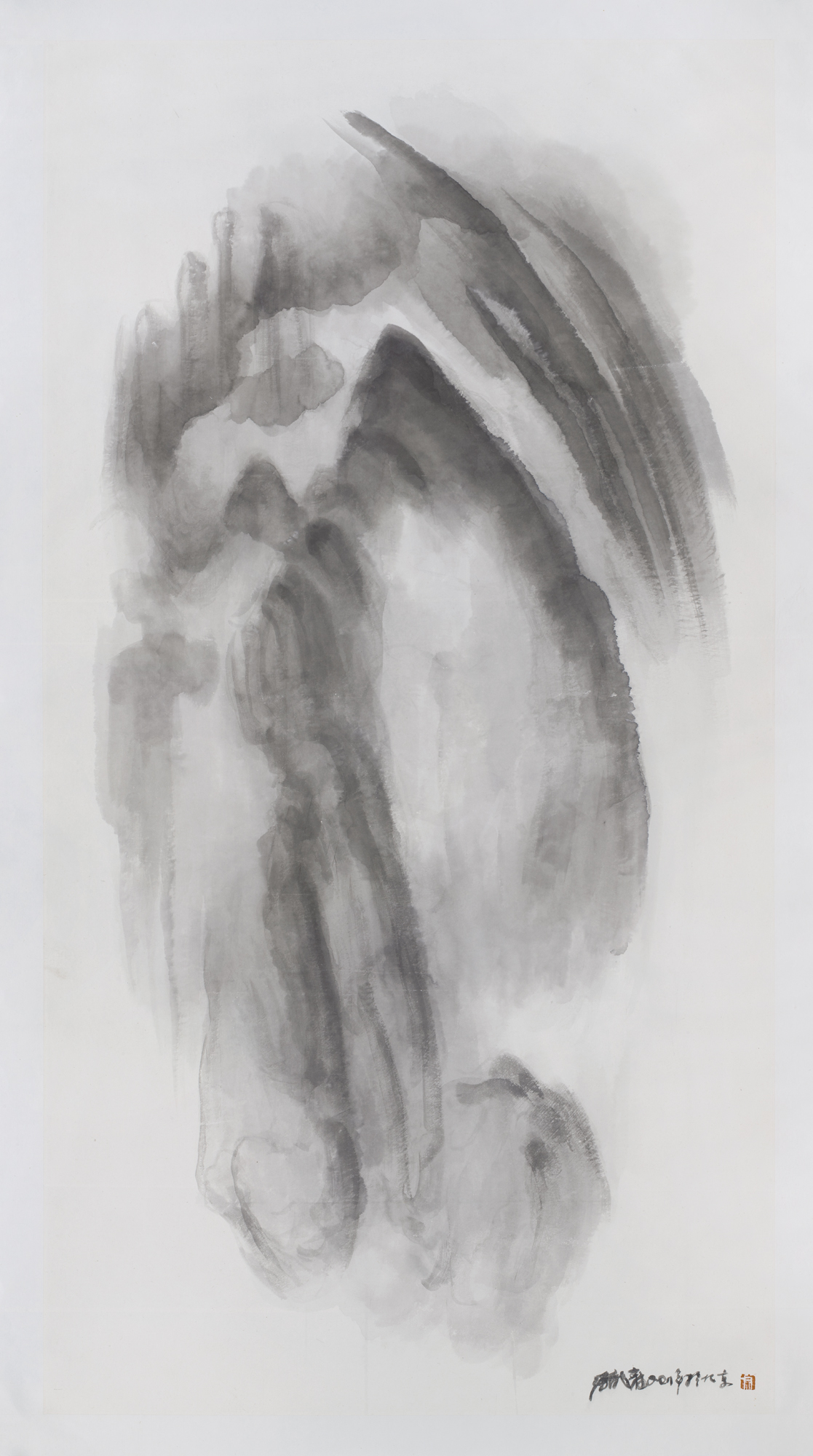
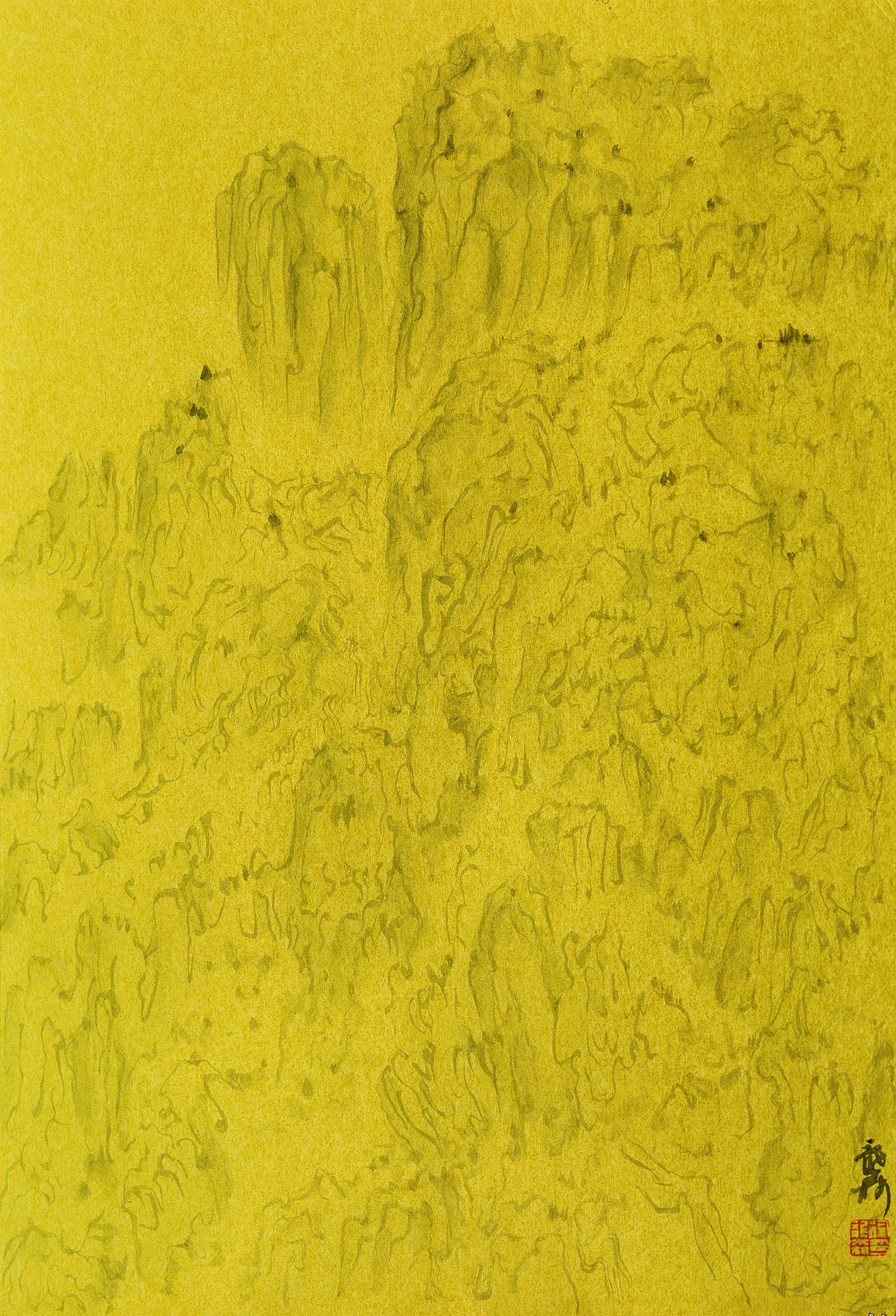
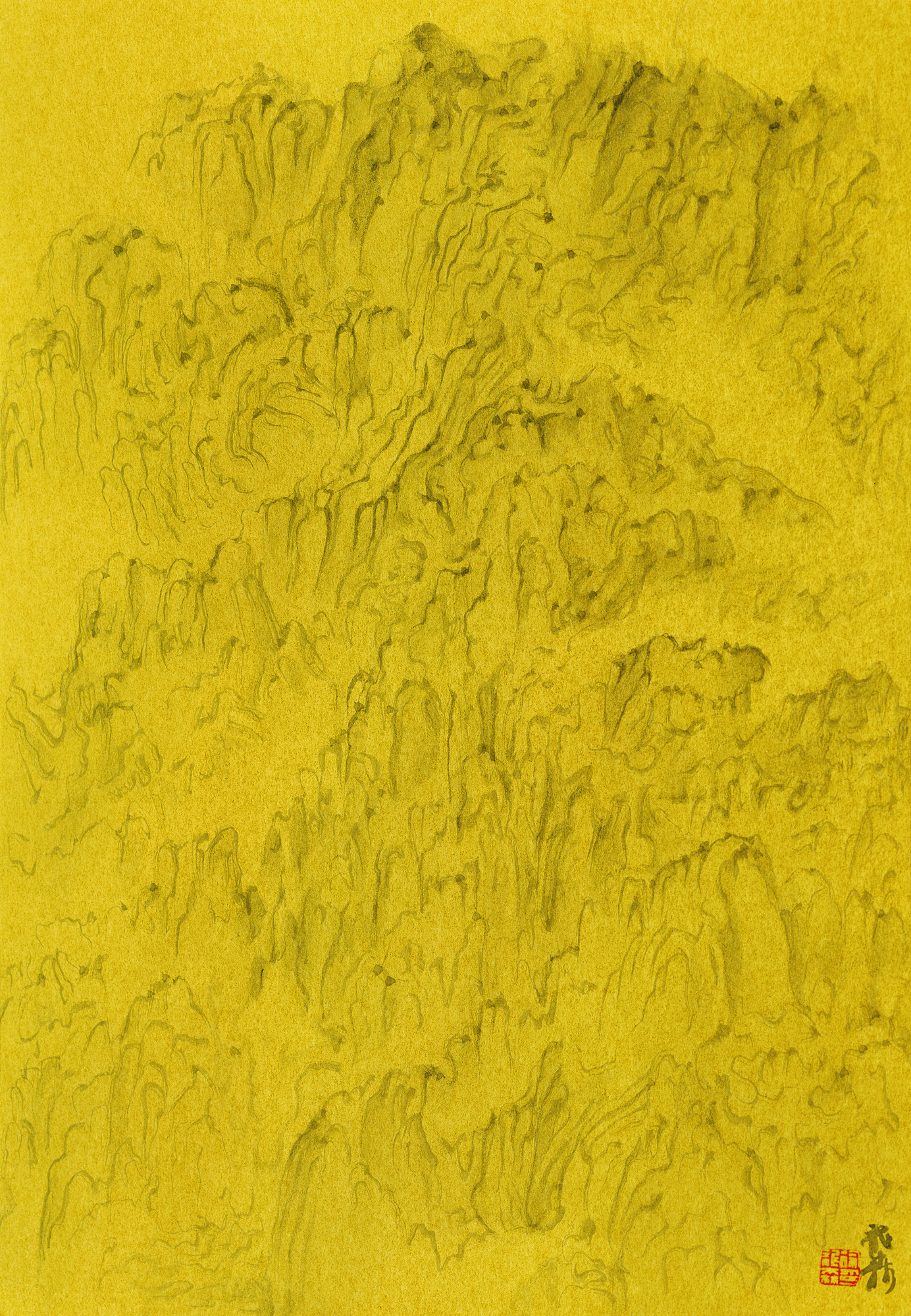
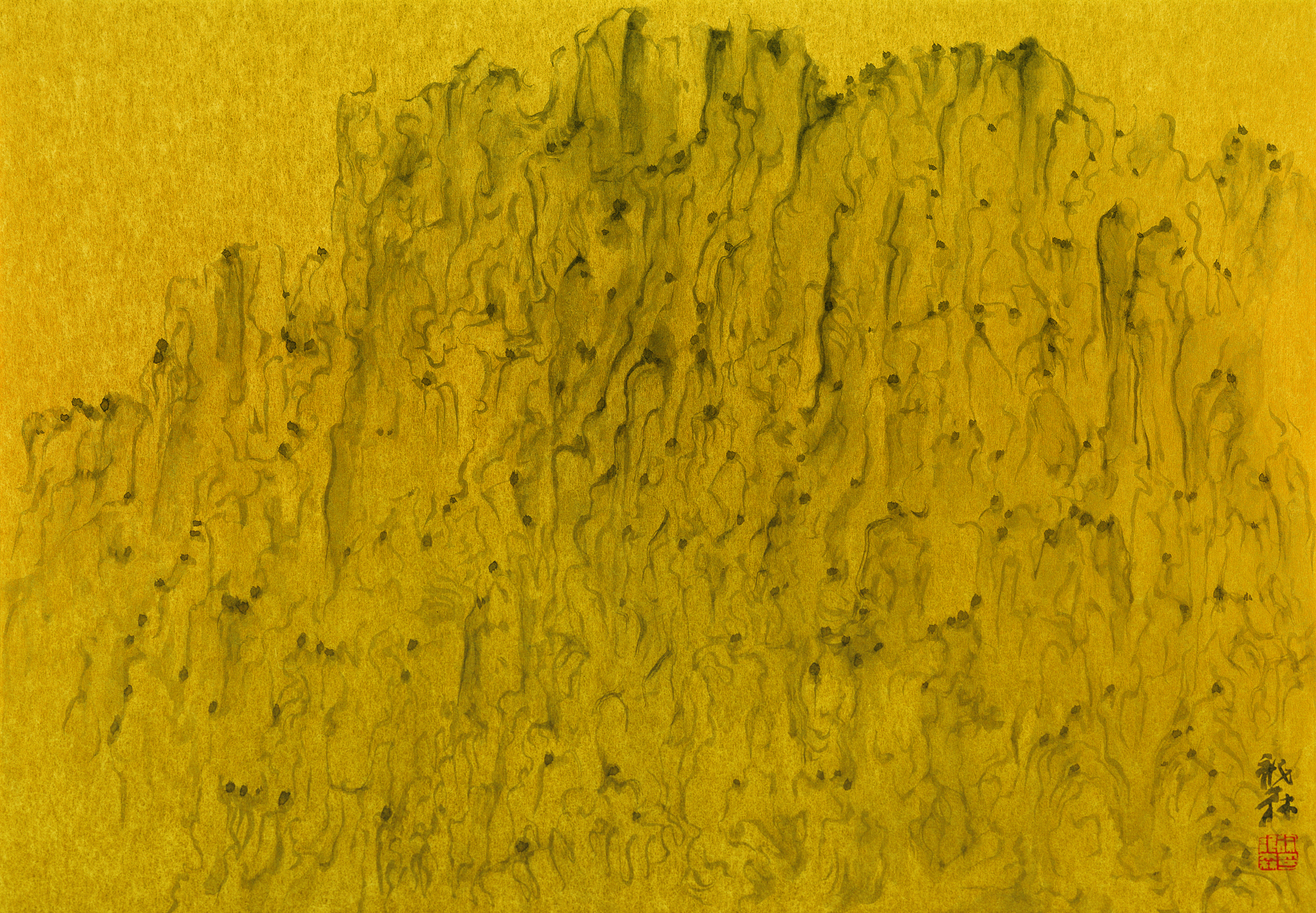
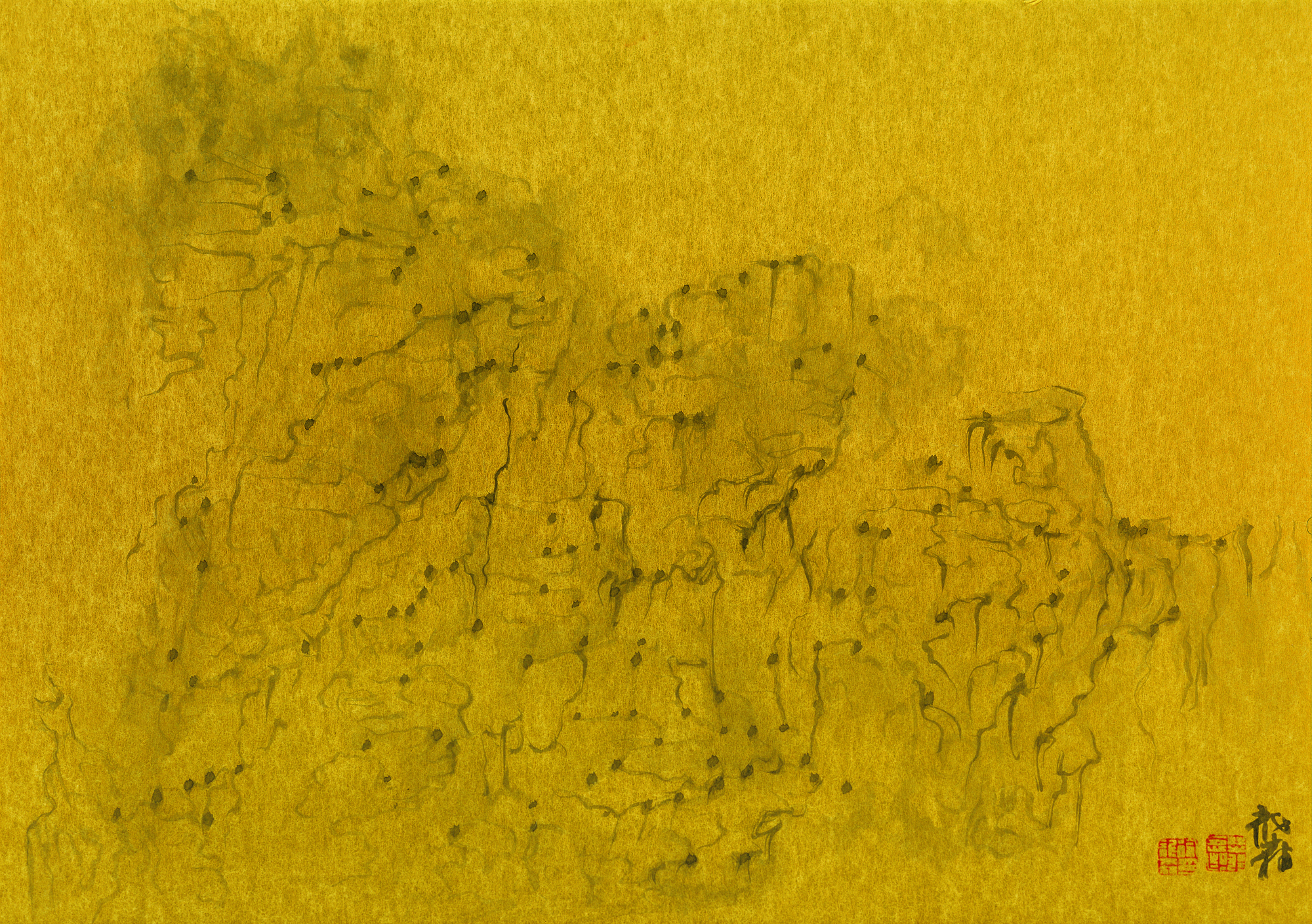
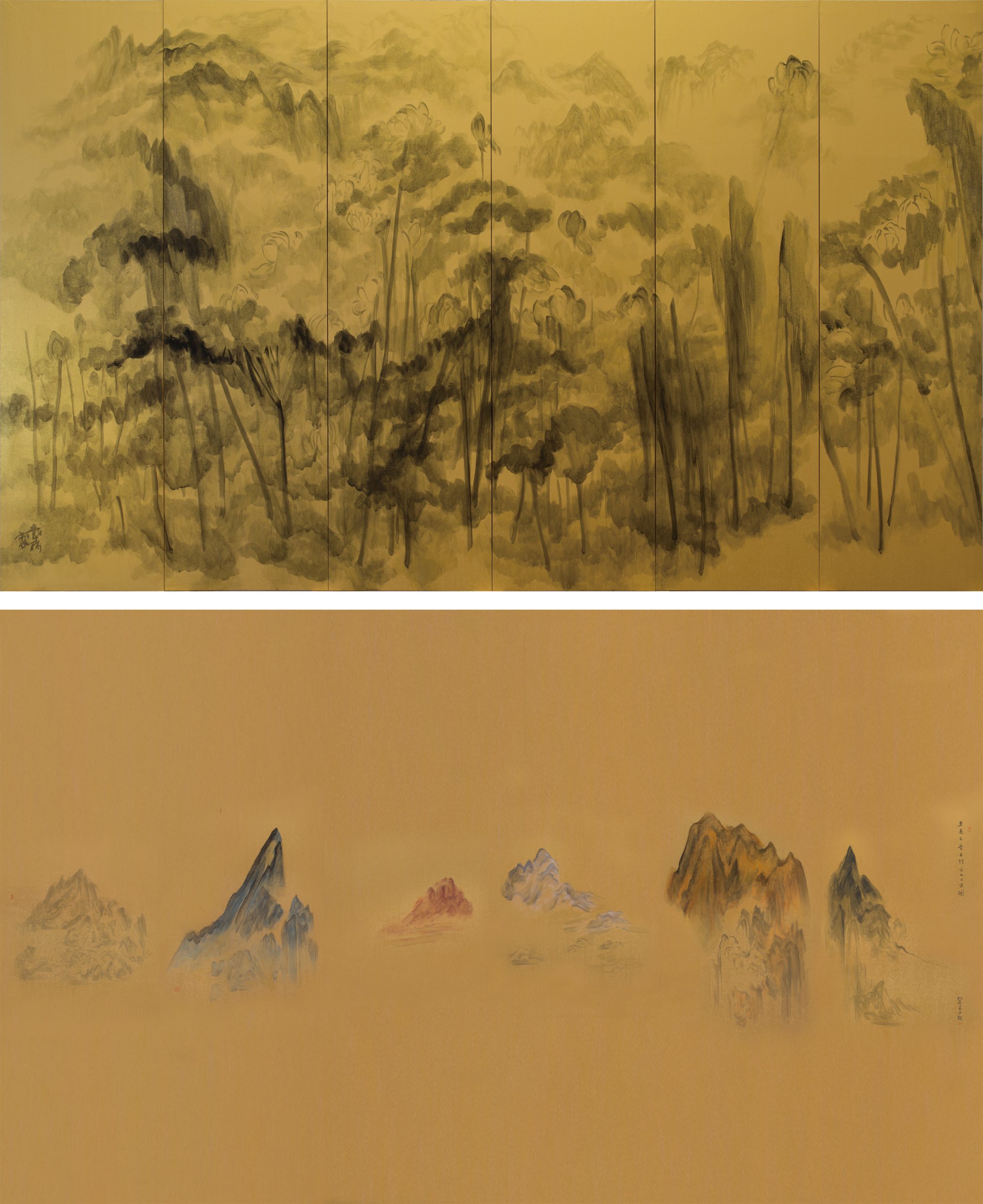
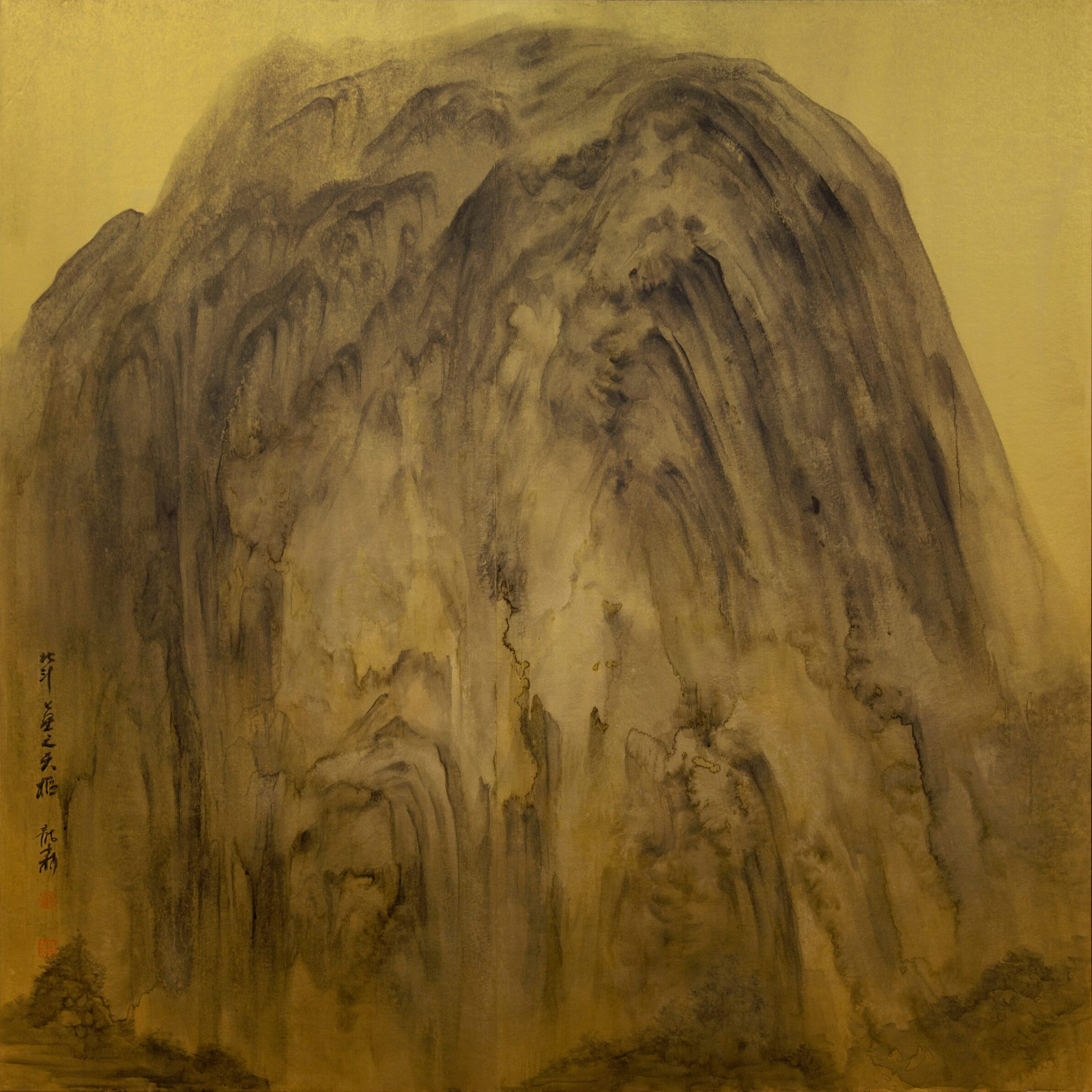
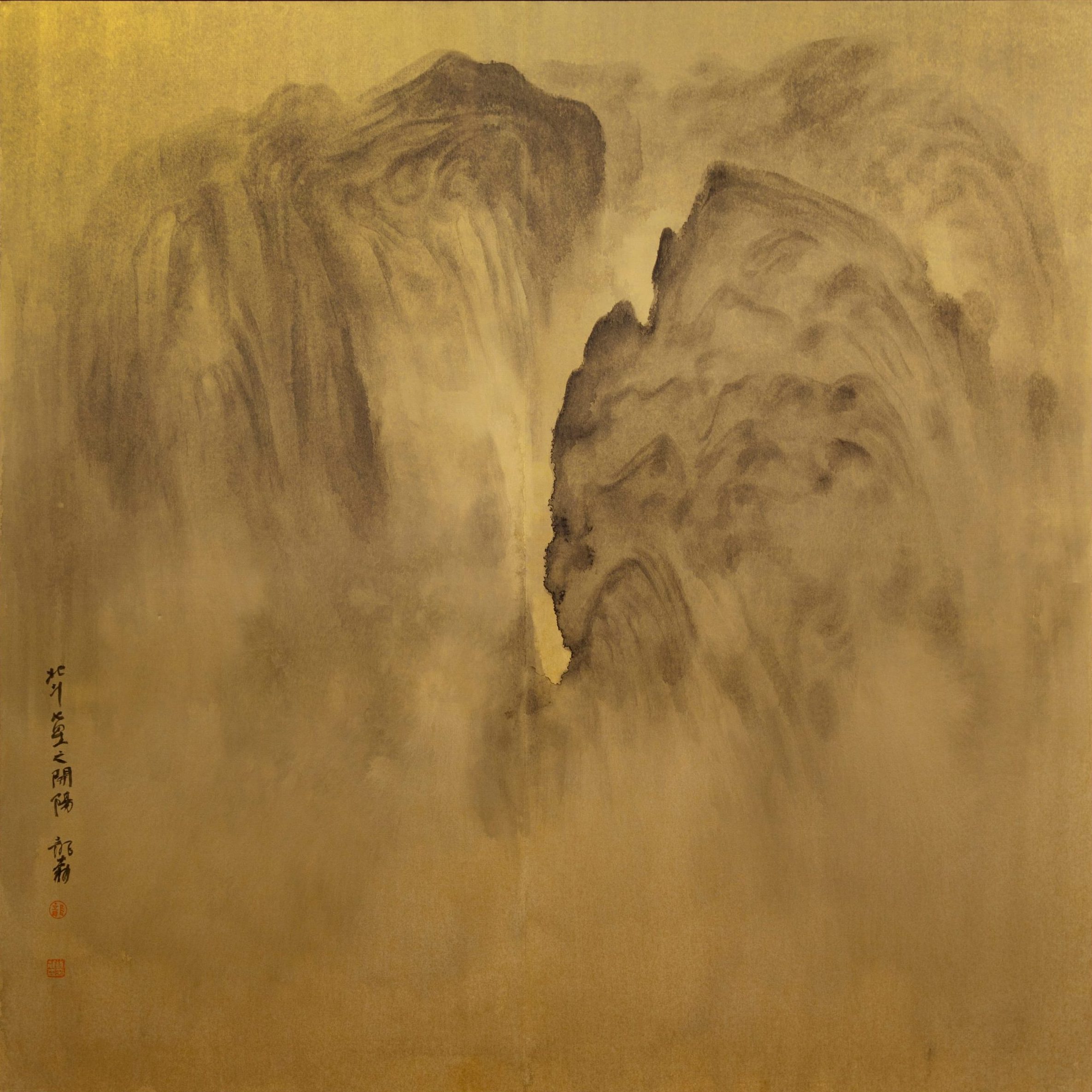
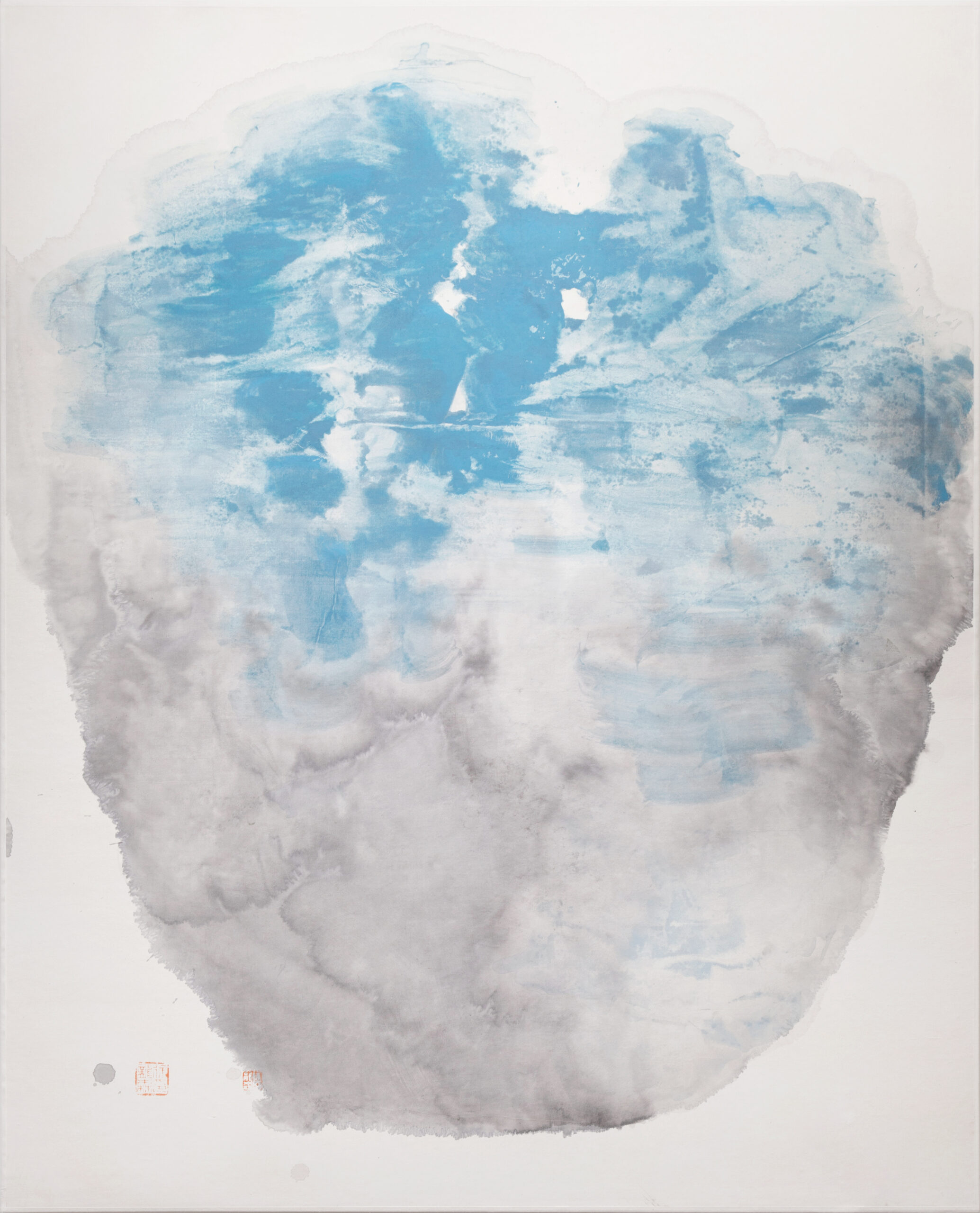
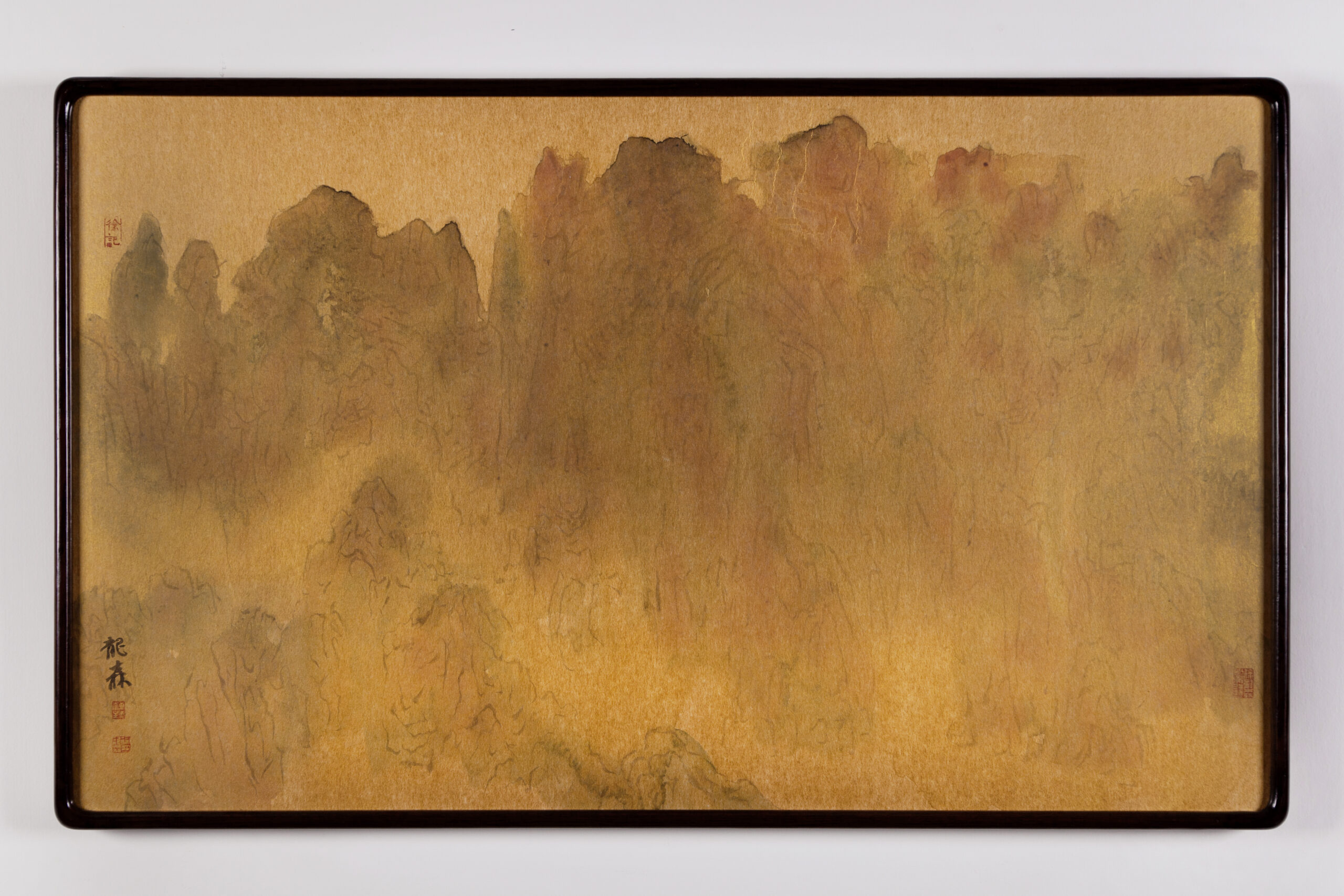
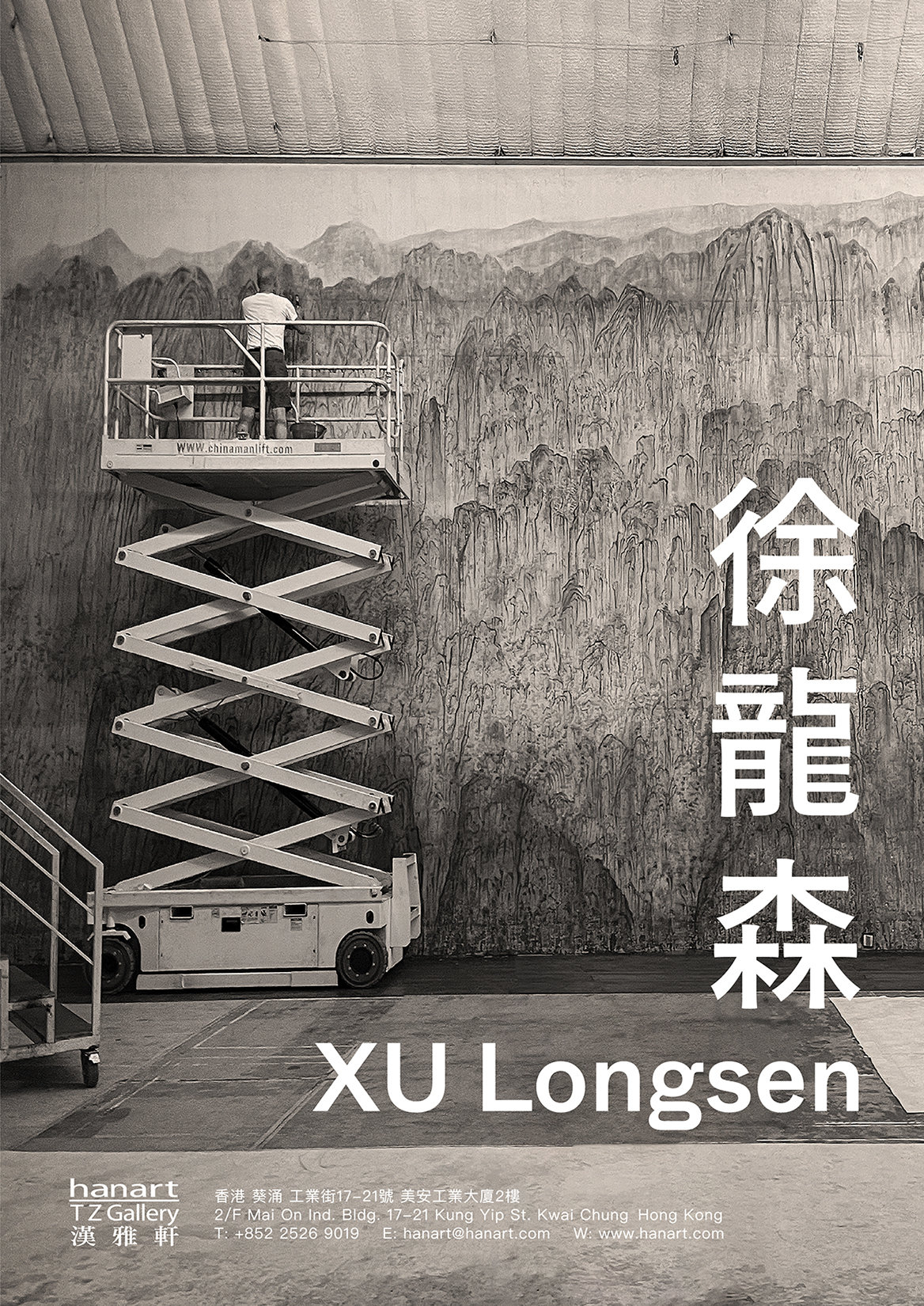
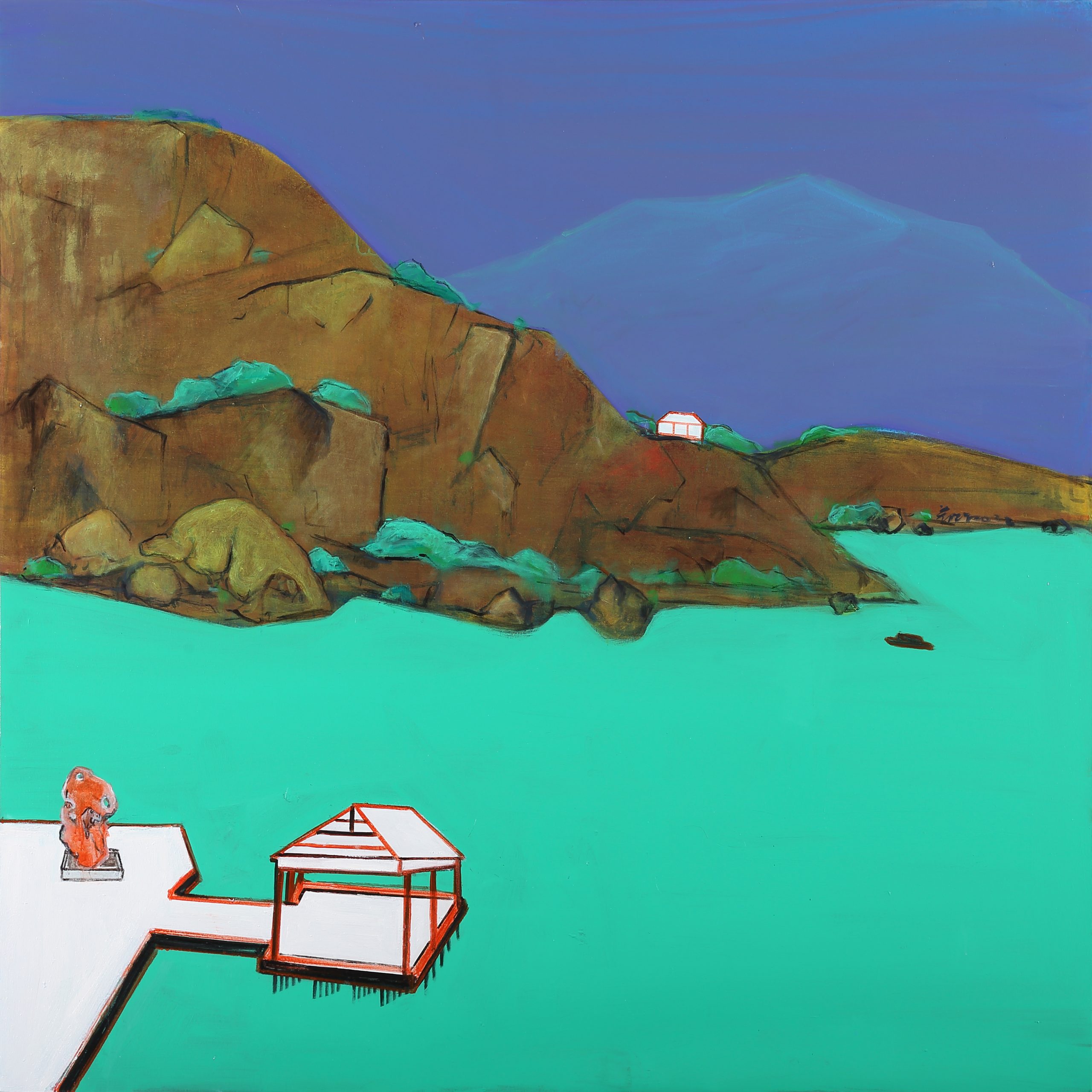
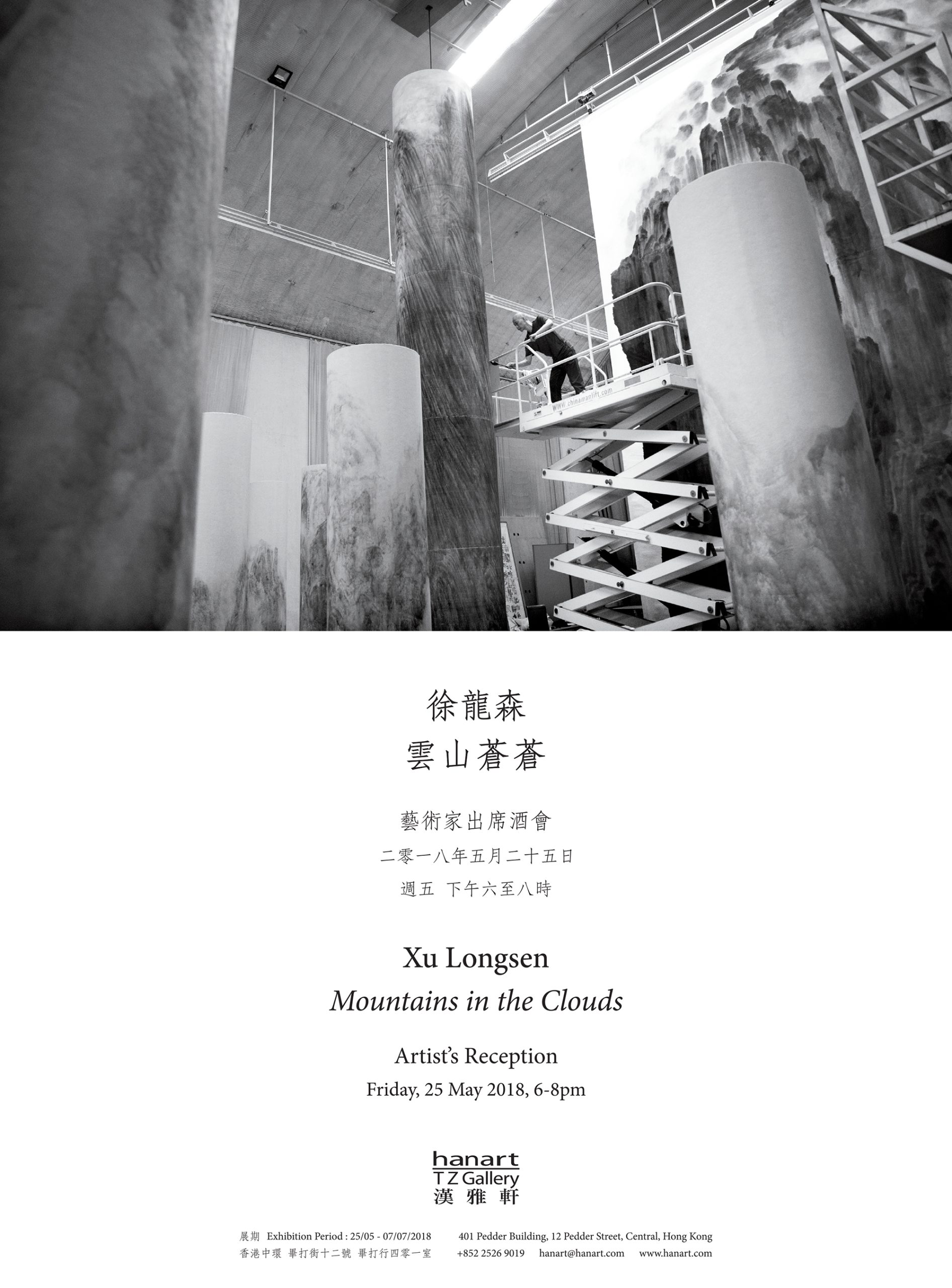
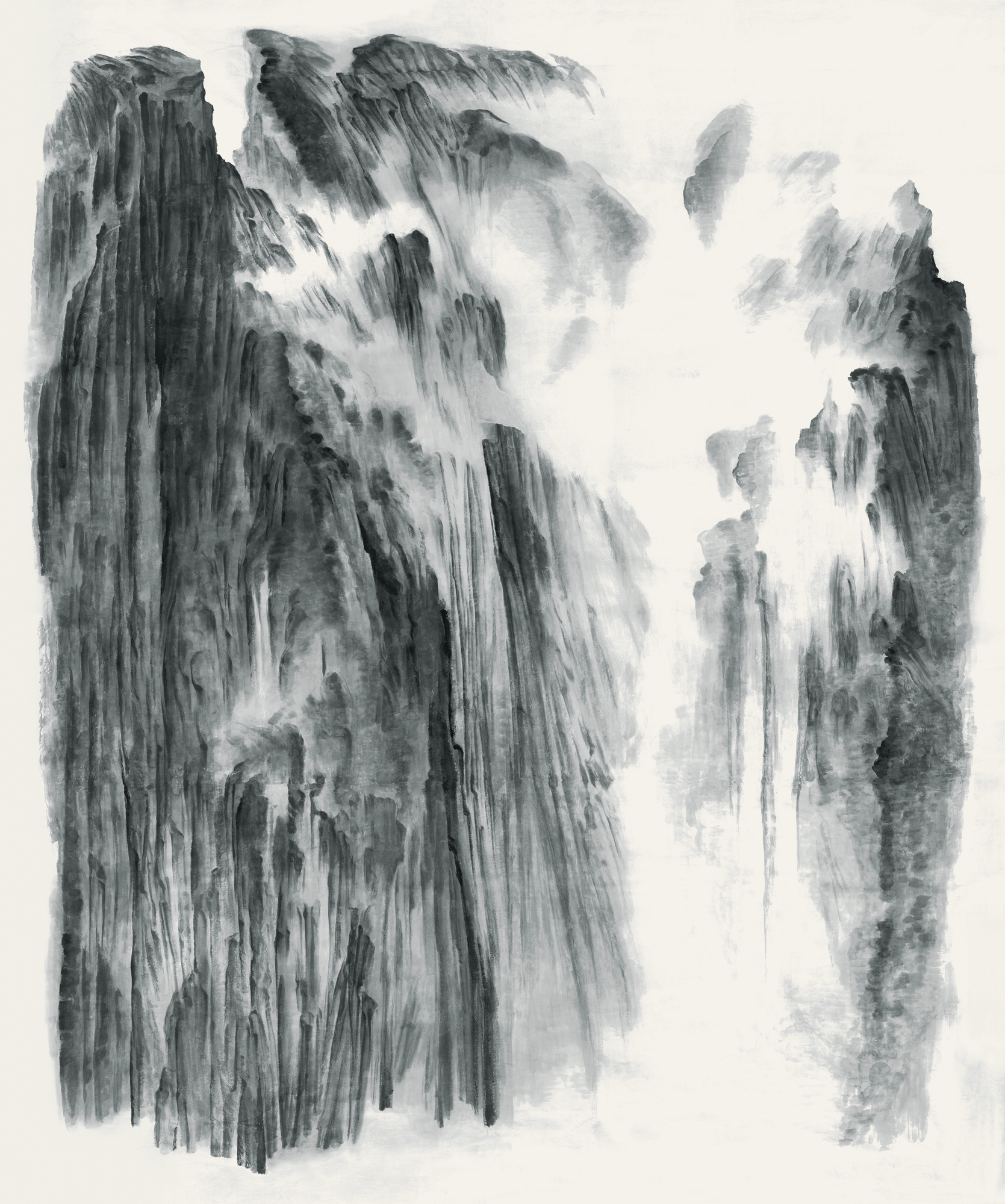
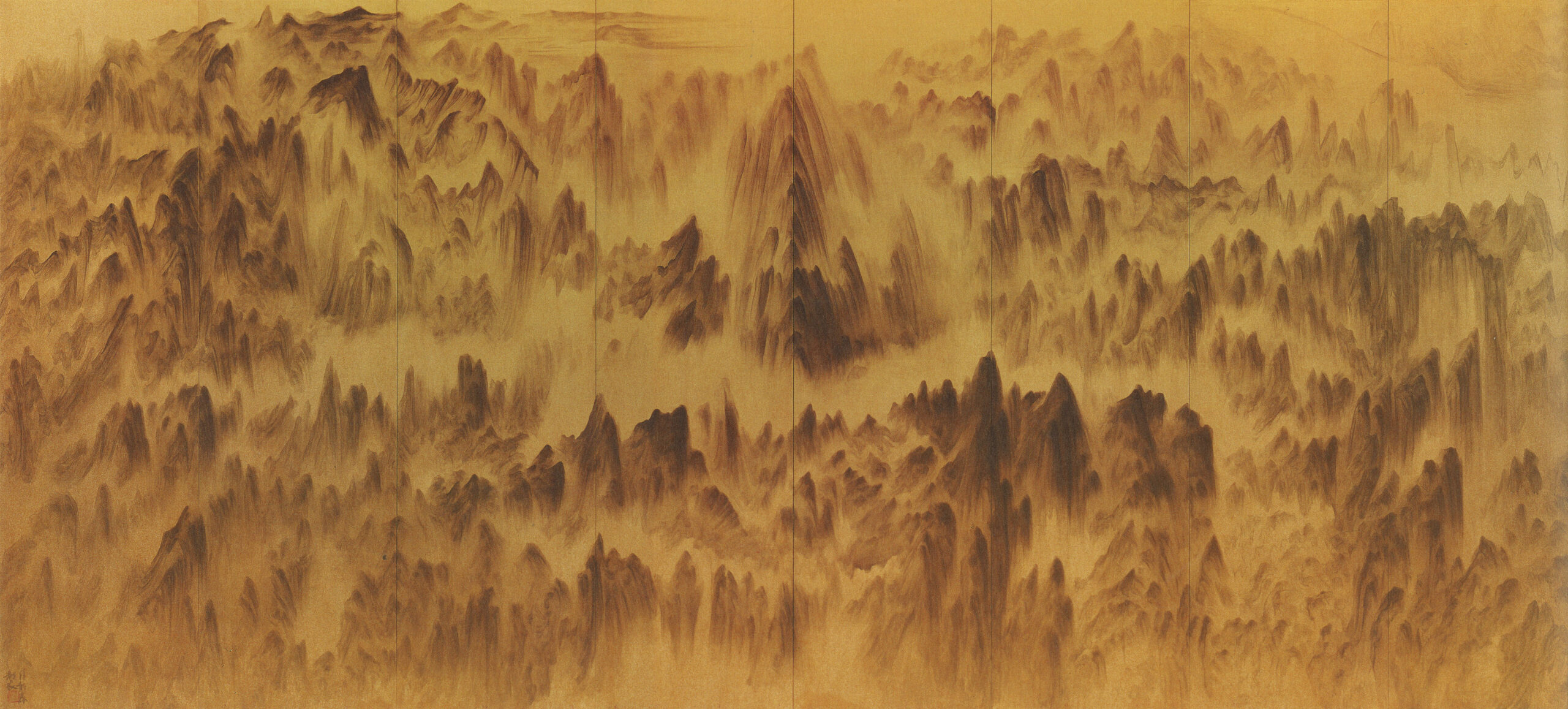
Xu Longsen’s key contribution to the evolution of Chinese landscape painting is his own concept of ‘monumental ink landscape painting,’ which is both deeply immersed in the Chinese monumental painting tradition, and brings to it a completely contemporary language. Most signiPicant in this methodology is the way in which the artist brings about a fundamental change in the form and connotation of brushwork. His monumental landscapes conjure a breathtaking, almost overwhelming sense of vastness and grandeur, boldly drawing out a fresh contemporary spirit from within the still-evolving heart of the landscape tradition, and simultaneously breaking out of the spatial boundaries of that tradition. In this way Xu also creates a new kind of challenge to the conPines of the exhibition hall, and a means of breaking through them. Xu Longsen is truly a pioneer, opening up new spaces and new vistas for Chinese landscape art.
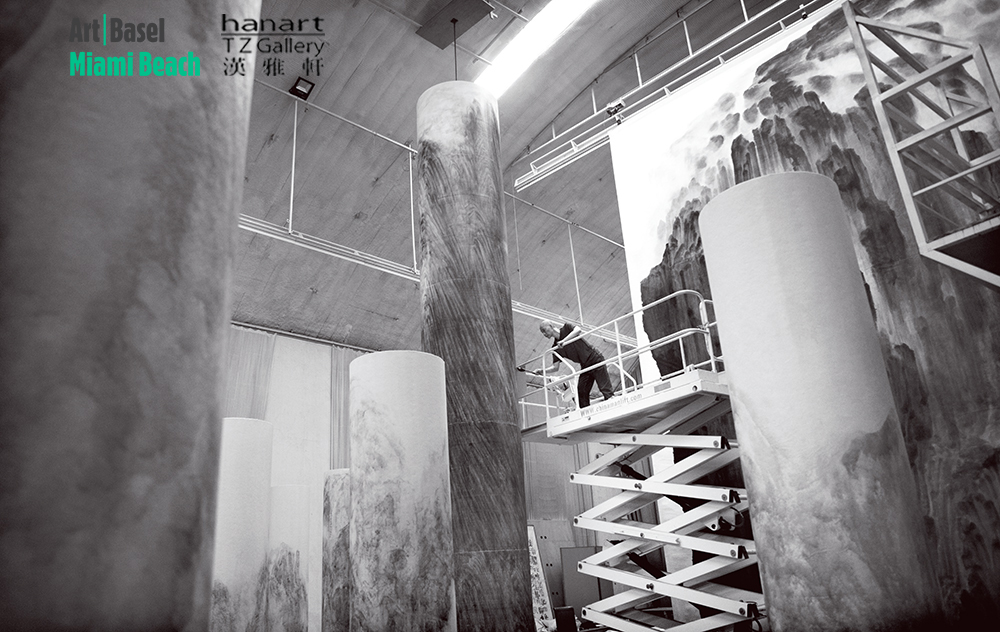
Xu Longsen’s ink landscape paintings also challenge the monumentality of modern architecture with their imposing presences. In these works, the sublimity hinted at by Chinese classical landscapes is manifested in physical presence. In spring 2018, the Art Institute of Chicago presented Xu Longsen’s solo exhibition Light of Heaven, marking the Pirst time the AIC has mounted an exhibition of contemporary ink painting. With this site- speciPic installation, Xu created an impressive dialogue with the architecture of the site of display, evoking a sense of aesthetic and physical fusion. In the same way, Xu’s monumental installations shown at the Museum of Roman Civilization in Italy in 2011 and the Palace of Justice in Belgium in 2009 astonished viewers with their breath-taking effects that challenged the ediPices of architecture with natural peaks that burst through the conPines of manmade space.
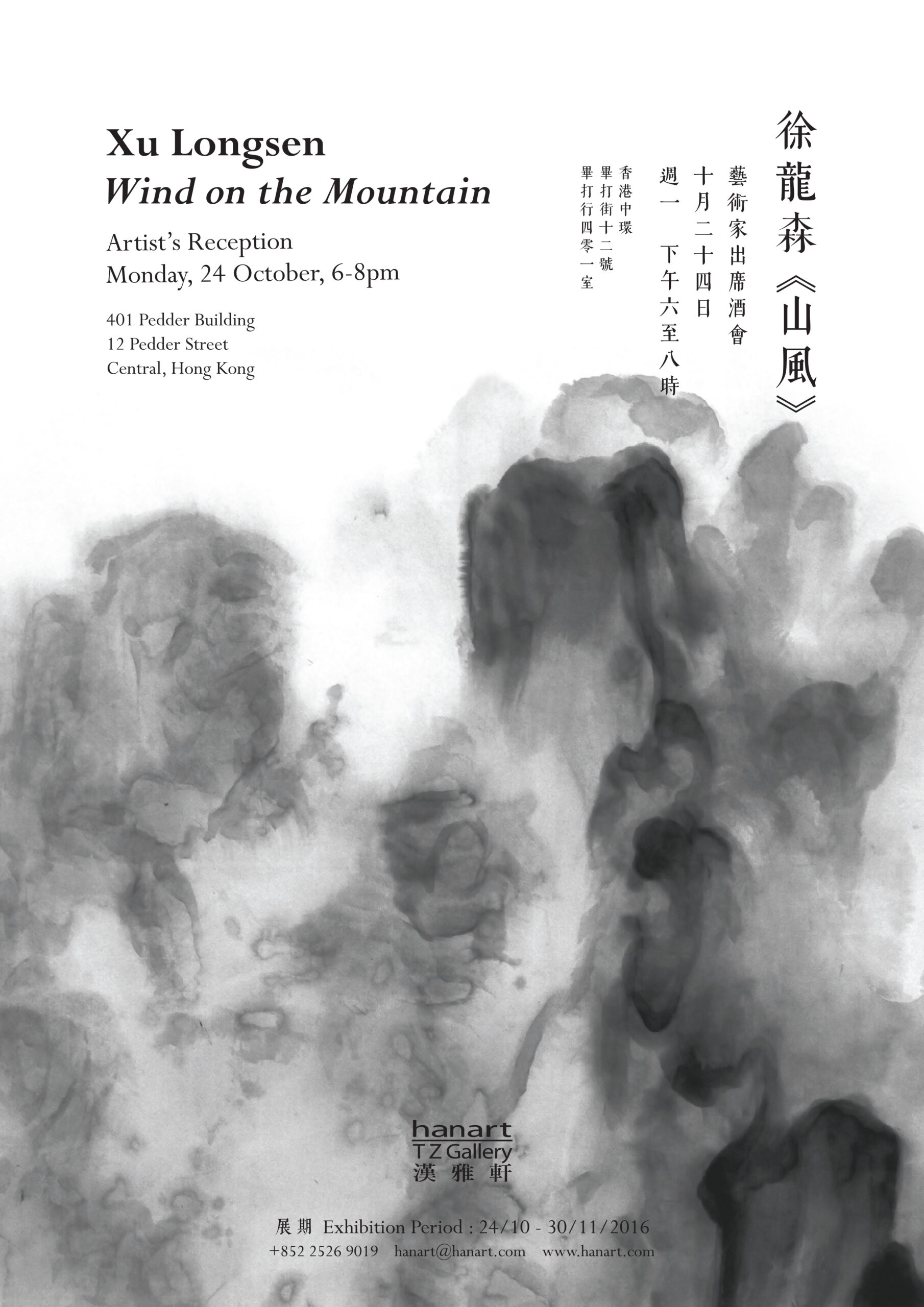
Xu’s art is both a radical departure from, and an homage to, the past. His position within the lineage of the Chinese landscape tradition was recognised in the invitation by the Nelson-Atkins Museum of Art in 2013 when he was invited to exhibit his immense horizontal landscapes together with the museum’s famous collection of masterwork paintings from the 10th to 18th century. The way Xu Longsen builds his mountains is essentially sculptural, eschewing classic methods of delineating landscape through the addition of trees and plants or the use of texture strokes (cunfa). Rather, the textural effects and the spirited movements of brushwork are contained within the physical construction of Xu’s mountain forms. The artist’s layers of ink wash provide an entryway into the inner structure of the mountains: up close we Pind intimations of form in the time before form began, and at a distance is revealed the stillness and solemn grandeur of the mountains. These lofty mountains and unending waters occupy a realm that is remote from the concerns of the everyday world. They seem to hover and shift between the concrete and the ephemeral, between form and non-form. All that the painting surface reveals is the movement and rhythm of forces both ancient and timeless.