

Caroline CHIU
趙汝賢works in Hong Kong (b. 1967, Hong Kong)
The fundamental question I am exploring through the Wunderkammer is what is Chinese culture? What is the meaning of Chinese objects? What is their beauty? Given the break with its own his¬tory during the Cultural Revolution, how do Chinese people perceive Chinese historical culture? The wunderkammer is my way of imagining the answer. It is, if you will, an ever-expanding won¬der cabinet filled with objects that help to build memories and culture. I believe “A Chinese Wunderkammer” will be my life’s most important work.
Caroline Chiu is a Hong Kong born and based artist. After training as a museum professional and working in various contemporary galleries, she became herself an artist. She works with photographic medium, but with a conceptual theme. She has been exhibiting her works since 1996 and is represented by Hanart TZ Gallery. Her solo museum exhibitions include The He Xianning Museum, Shenzhen 2007, and the Snite Museum of Art, South Bend Indiana, 2010. She was a finalist in the Soverign Art Prize 2008 and in collected by various public and private collections around the world.
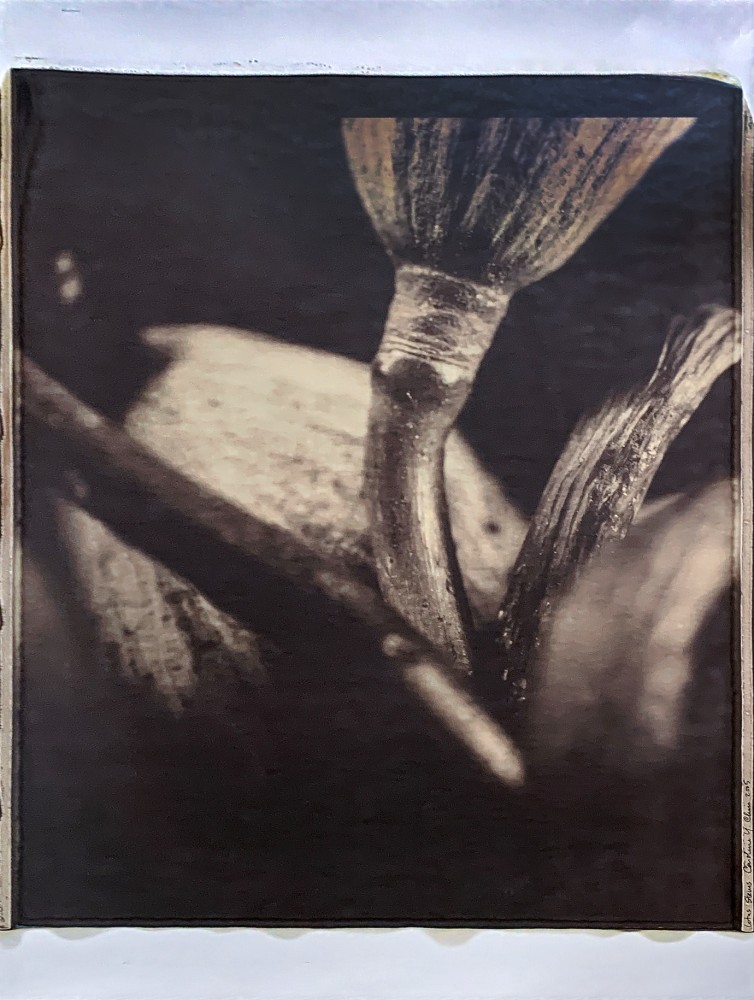
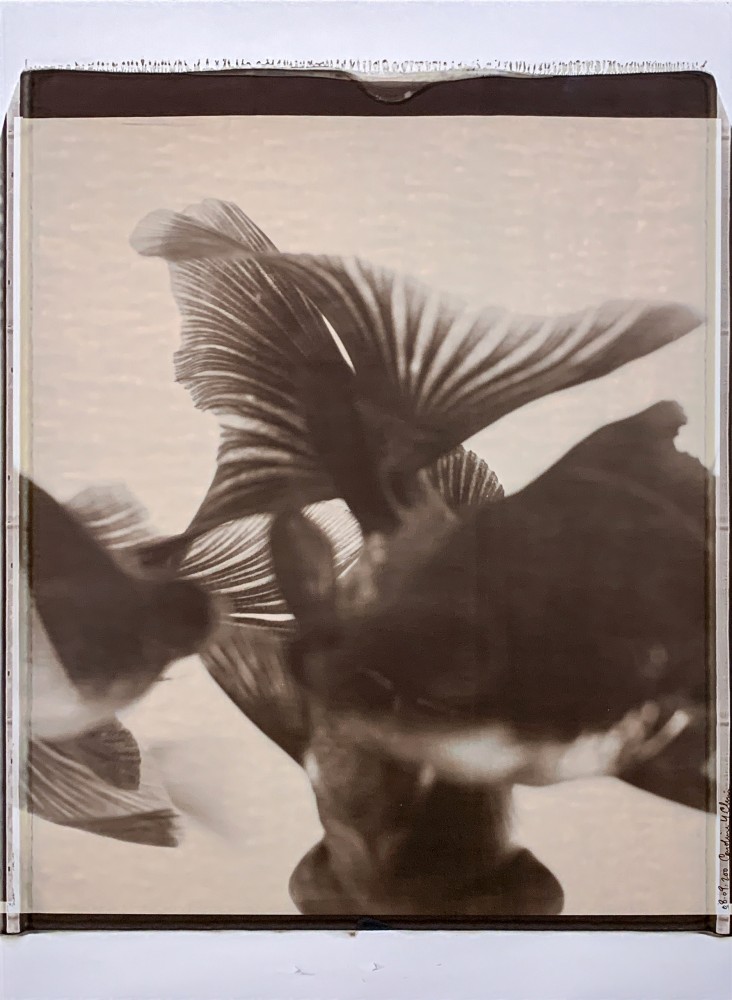
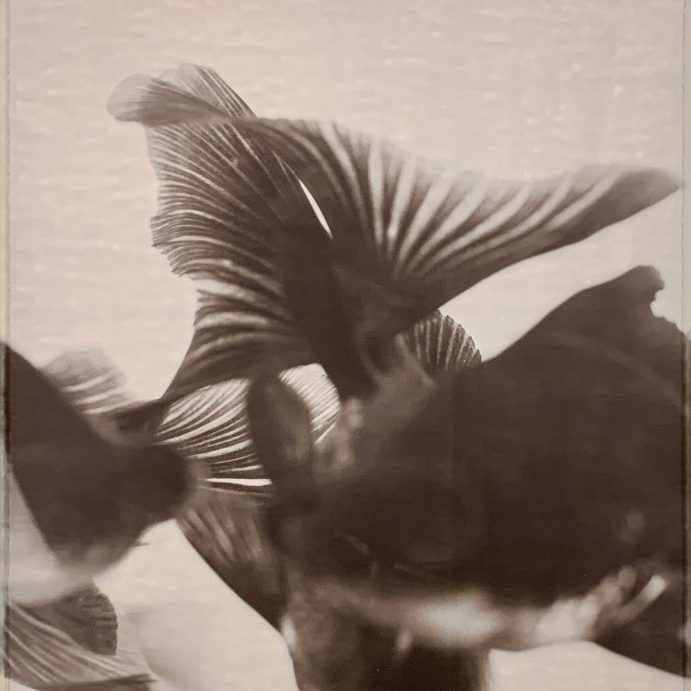
From 2003-2009, Chiu exclusively worked on a project she called “A Chinese wunderkammer” using the 20 x 24 large format Polaroid camera in New York City, to construct a series of photographs that form an imaginary museum collection of Chinese cultural objects. Chiu borrowed objects from noted Hong Kong collections and photographed them in her own interpretative style.
Chiu used the 20 x 24 format film to emphasize the non-digital, full-frame, and non-retouchable quality of the large instant film process. She worked until the film was itself extinct. The choice of medium itself was a tribute to the end of an era- that of physical film in the age of digital photography. With the 20 x 24 Polaroid format, the image size is the size of the exposed film, and the “decisive moment” is the one when the shutter is clicked. There is no negative, so each photograph is unique and one of a kind. The film is no longer produced or available, so each image is itself a rare artefact.
Wunderkammer were 17th- and 18th-century European “wonder rooms” or “cabinets of curiosity”––some of the earliest known “museums”––which contained specimens reflecting the natural world, anthropology, archaeology, relics, and art. The late Qing emperor Qianlong, known for his passion for the arts, also pursued this type of collecting. In Caroline Chiu’s case, she collects, by photography, objects representing the material culture of traditional China: bonsai, scholar’s rocks, flowers, artworks depicting the animal zodiac, and goldfish. Her choice of subjects makes reference to historical Chinese culture; her graphic photographic images of goldfish suggest the brushstrokes of traditional Chinese ink painting and the sweeping abstract shapes of Chinese writing. Because Chiu’s images were taken with a rare 20 x 24 inch Polaroid camera—for which film is no longer manufactured––her work is also an elegy to the era of Polaroid cameras and film.